
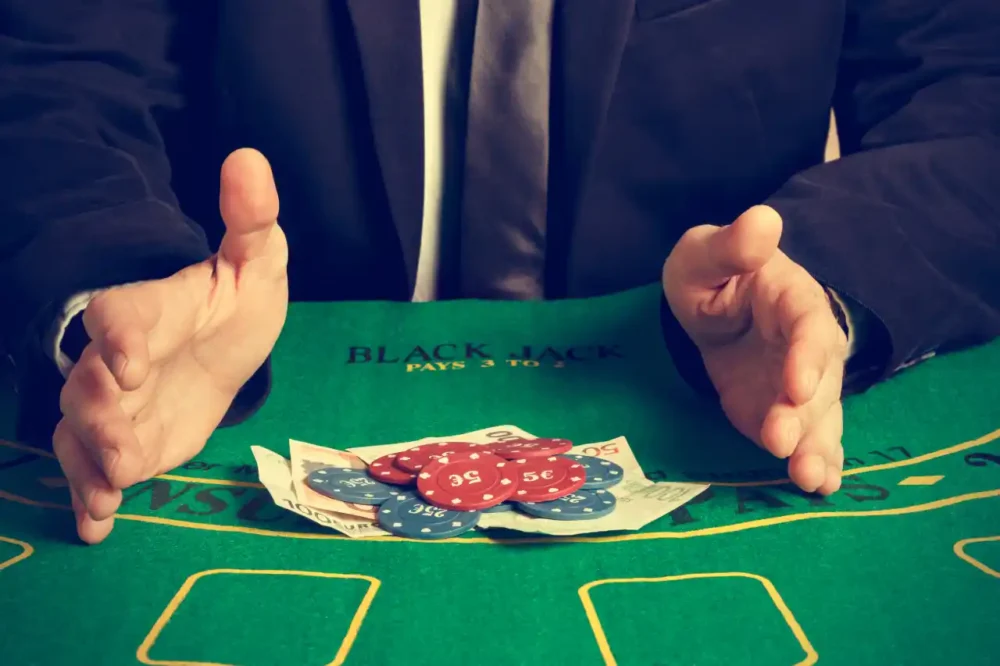
Casinos are full of stories and beliefs that get passed around from player to player. You’ve probably heard claims about hot slot machines, lucky seats, or casinos pumping oxygen to keep you awake. These myths spread easily because gambling involves real money and emotion.
Most casino myths are not true, though some contain small bits of reality that have been twisted or misunderstood over time. The house edge is real, and casinos do make money from players. But ideas about rigged games or guaranteed winning strategies are false. Understanding where these myths come from helps you make smarter choices when you play.
Casino myths can change how you gamble, often in ways that cost you money or make the experience less enjoyable. When you know the facts, you can avoid common mistakes and focus on playing responsibly. This article breaks down popular casino myths and shows you what’s actually true.
Understanding Common Casino Myths
Casino myths have shaped how players think about gambling for generations, often leading to false beliefs about winning strategies and game mechanics. Most of these myths stem from misunderstandings about probability, while others come from stories passed between players.
The Origins of Popular Gambling Legends
Casino myths often start from a few common sources. Some come from players who experienced rare winning streaks and believed they found a special system. Others develop when people misunderstand how random chance works in games.
Gambling superstitions date back thousands of years. Ancient cultures created rituals and beliefs around games of chance. These old beliefs mixed with modern casino gaming to create new myths.
Common sources of casino myths include:
- Player testimonials and personal stories
- Misunderstanding of probability and statistics
- Selective memory of wins over losses
- Marketing tactics that suggest patterns exist
The social nature of casinos helps spread these myths quickly. When one player shares a story about a “hot” machine or winning strategy, others repeat it. Over time, these stories become accepted as facts even without evidence.
House Edge Misconceptions
The house edge is the mathematical advantage casinos have in every game. Many players don’t understand what this actually means for their gambling sessions.
A common myth claims you can overcome the house edge with betting systems. The truth is that no betting pattern can change the mathematical odds built into casino games. Each bet carries the same house edge regardless of previous outcomes.
Some players believe the house edge means they’ll lose a specific percentage of every bet. The house edge actually represents long-term statistical averages across millions of bets. Your individual session can vary widely from these averages.
The house edge differs significantly between games. Blackjack with basic strategy has a house edge around 0.5%, while some slot machines can have edges over 10%. Understanding these differences helps you make informed choices.

Randomness and Slot Machine Patterns
Slot machines use random number generators (RNG) that produce results independently each spin. The machine doesn’t remember previous spins or adjust based on recent payouts.
Many players believe machines run “hot” or “cold” based on recent results. This is called the gambler’s fallacy. Each spin has the same odds regardless of what happened before.
Key facts about slot machine randomness:
- RNGs generate thousands of numbers per second
- Your timing when pressing the button doesn’t affect outcomes
- Previous wins or losses don’t influence future spins
- Casino location or time of day doesn’t change odds
The myth that machines are “due” for a payout after a long losing streak is completely false. A machine could theoretically go millions of spins without hitting a jackpot, or hit two jackpots back-to-back. Both scenarios are equally possible within the random system.
Are Casino Myths Based on Truth?
Some casino myths contain small pieces of truth that have been twisted over time. Others are completely false but persist because of memorable stories or misunderstandings about how casinos work.
Examining the Evidence Behind Myths
Many casino myths fail when you look at the actual evidence. Games like slots and roulette use random number generators that casinos cannot manipulate during play. Regulatory bodies test these systems regularly to make sure they work correctly.
Some myths do have a basis in older casino practices. Casinos once used different methods to track players and manage their floors. However, modern gaming regulations have changed how casinos operate.
Common myths with no evidence:
- Casinos pump oxygen to keep you awake
- Hot and cold slot machines exist
- Card counting is illegal
- The casino can change slot payouts remotely
The myth about oxygen pumping has been tested and proven false. Casinos simply use good air conditioning systems. The hot and cold machine myth ignores how random number generators actually work. Each spin is independent of the last one.
Real-Life Cases That Influenced Beliefs
Some myths grew from real events that happened in casino history. Card counting is legal, but casinos can ask you to leave because they are private businesses. This confusion started when famous card counting teams won large amounts in the 1990s.
The MIT Blackjack Team won millions using card counting strategies. Casinos responded by changing their rules and watching players more carefully. This real story made people think card counting was illegal or impossible.
Slot machine placement myths came from actual casino floor management. Casinos do think carefully about where they place machines. But they base these decisions on foot traffic and visibility, not on making certain machines pay more.
Myth Versus Reality in Casino Practices
Casinos use real strategies that differ from the myths. They make money through house edge, which is a mathematical advantage built into every game. You can see these odds published for most games.
Reality of casino operations:
| Myth | Reality |
|---|---|
| Casinos cheat to win | House edge ensures profit over time |
| Location affects slot payouts | All slots of same type have same odds |
| Beginners have better luck | Random outcomes don’t favor anyone |
Casinos track your play through loyalty cards to offer you rewards based on how much you bet. This is a marketing tool, not a way to change your odds. The games themselves run on tested software that operates independently from these tracking systems.
How Casino Myths Impact Players
Casino myths shape the decisions you make at gaming tables and slot machines. These false beliefs can lead you to take bigger risks and mismanage your bankroll in ways that hurt your chances of walking away ahead.
Behavioral Effects on Gamblers
When you believe in casino myths, your playing style changes in measurable ways. You might stay at a slot machine longer because you think it’s “due” for a payout. You could switch tables after a winning streak because you believe the luck will run out.
These beliefs make you ignore basic probability. If you think a roulette wheel has “memory” of past spins, you’ll place bets based on patterns that don’t exist. You might increase your bet size after losses because you believe a win must come soon.
Superstitions also affect your gameplay. You may choose specific seats, avoid certain dealers, or perform rituals before placing bets. These behaviors waste your time and mental energy on actions that have zero impact on game outcomes.
The most harmful effect is that myths keep you playing longer than you planned. When you believe you can control random outcomes through timing or betting systems, you’re more likely to chase losses and ignore your budget limits.
Risk Management Based on Misconceptions
Your risk management suffers when you base decisions on myths instead of facts. You might bet more money on games you wrongly believe have better odds. Card counting myths could lead you to try systems that don’t work and get you banned from casinos.
Many players avoid certain games because they think casinos rig them against players. This belief isn’t true for licensed casinos, but it pushes you toward games with worse odds. You end up choosing slots over blackjack when the opposite would give you better chances.
Bankroll management fails when you follow progressive betting systems. Systems like the Martingale require you to double bets after losses. These approaches seem logical but they drain your funds quickly and hit table limits fast.